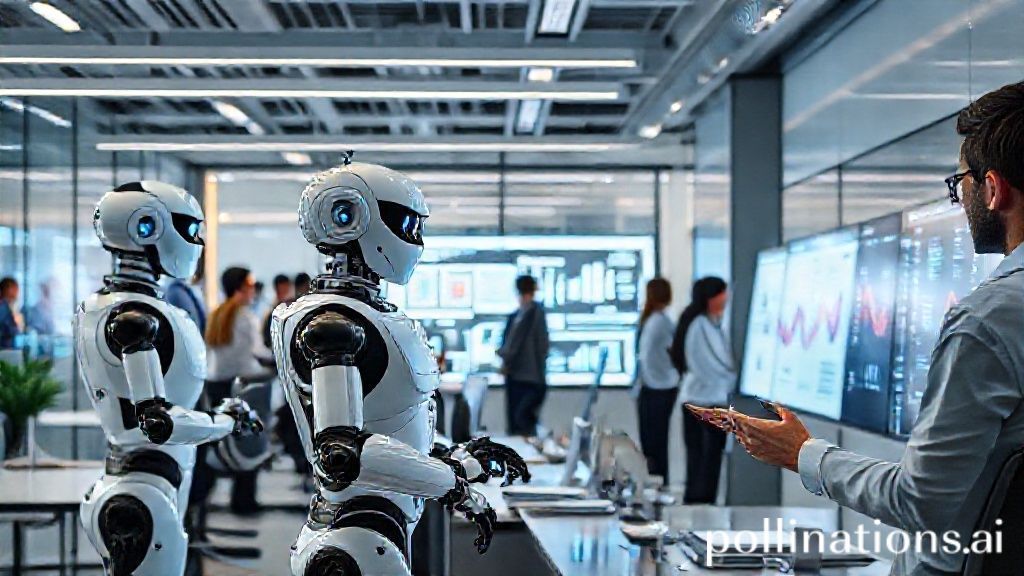
5 AI Innovations Transforming Business Operations in 2023
In the rapidly evolving landscape of business, AI innovations are taking center stage in 2023. Organizations are increasingly leveraging these breakthroughs to enhance efficiency, streamline operations, and foster innovation. As companies strive to remain competitive, understanding these transformative technologies is crucial. Recent studies indicate that businesses adopting AI innovations experience significant improvements in productivity and decision-making processes. This blog delves into five groundbreaking AI innovations that are reshaping how companies operate, ensuring they meet the demands of the modern marketplace. The integration of AI innovations has revolutionized traditional business practices. Automation tools powered by artificial intelligence are not only saving time but also reducing costs associated with manual tasks. According to a report by McKinsey, over 70% of businesses have already adopted some form of automation, highlighting the urgency for others to follow suit. The potential for AI innovations to transform mundane tasks into streamlined processes is undeniable, making it an essential consideration for any forward-thinking organization. Moreover, the rise of data-driven decision making is another significant impact of AI innovations. Companies can now analyze vast amounts of data at unprecedented speeds, allowing them to make informed choices that drive growth. Utilizing advanced analytics, businesses can uncover insights that were previously hidden, enabling them to respond to market changes swiftly. This capability is particularly vital in today's fast-paced environment, where agility is key to survival. Another exciting aspect of AI innovations is their ability to enhance customer experiences. Personalization powered by AI algorithms allows companies to tailor their services to individual preferences, leading to improved customer satisfaction and loyalty. As consumers expect more customized interactions, businesses that harness these AI innovations will likely stand out in a crowded marketplace. Research by Salesforce shows that 70% of consumers are more likely to purchase from companies that provide personalized experiences, affirming the value of this approach. As we explore the five key AI innovations transforming business operations this year, it is essential to recognize that these technologies are not just tools but catalysts for change. From automation to data analytics and enhanced customer interactions, the influence of AI innovations is profound. By understanding and implementing these advancements, businesses can position themselves for success in an increasingly digital world, ensuring they remain relevant and efficient in the face of ongoing challenges.Exploring Impactful AI Innovations Revolutionizing Business Operations in 2023
The landscape of business operations is evolving rapidly, driven by AI innovations that enhance efficiency, decision-making, and customer engagement. In 2023, organizations are leveraging these advancements to streamline processes and gain a competitive edge. This discussion will explore significant AI innovations that are reshaping how businesses operate today. ### Enhancing Customer Experience with AI Innovations AI innovations are revolutionizing customer interactions. Businesses now utilize chatbots and virtual assistants to provide 24/7 support, significantly improving response times. These tools analyze customer data to offer personalized recommendations, leading to higher satisfaction and loyalty. By implementing these AI innovations, companies can foster stronger relationships with their customers. ### Optimizing Supply Chain Management through AI Innovations Supply chain management benefits immensely from AI innovations. Predictive analytics powered by AI can forecast demand trends, allowing businesses to optimize inventory levels. Moreover, machine learning algorithms analyze past data to enhance logistics and reduce costs. These innovations lead to more agile supply chains, enabling companies to respond swiftly to market changes. ### AI Innovations in Data Analysis and Decision-Making Data-driven decision-making is crucial for business success, and AI innovations play a pivotal role. Advanced analytics tools can process vast amounts of data quickly, uncovering insights that inform strategic decisions. By employing these AI-driven solutions, organizations can identify emerging trends and make proactive adjustments to their operations. ### Automating Routine Tasks with AI Innovations Automation is one of the most transformative AI innovations today. Businesses are increasingly adopting AI tools to handle repetitive tasks, freeing up employees for more strategic roles. From automated invoicing to AI-driven recruitment processes, these innovations not only enhance productivity but also minimize human error, leading to more efficient operations. ### Improving Cybersecurity with AI Innovations As businesses digitize, cybersecurity becomes paramount. AI innovations are at the forefront of enhancing security measures. AI systems can detect unusual patterns in network traffic, providing real-time alerts to potential threats. By integrating these technologies, organizations can significantly bolster their defenses against cyberattacks, safeguarding sensitive data. In conclusion, the AI innovations transforming business operations in 2023 are vast and impactful. By adopting these technologies, companies can enhance customer experiences, optimize supply chains, make informed decisions, automate routine tasks, and improve cybersecurity. Staying abreast of these trends is essential for businesses aiming to thrive in a competitive landscape.Exploring AI Innovations That Are Redefining Business Operations
Revolutionizing Customer Interactions with AI Innovations
In 2023, AI innovations are transforming how businesses engage with customers. Chatbots and virtual assistants offer round-the-clock support, drastically improving response times. By analyzing customer data, these tools provide personalized recommendations that enhance satisfaction and loyalty. As organizations embrace these AI innovations, they can build stronger relationships with their clientele, ultimately contributing to long-term success.
Enhancing Supply Chain Agility through AI Innovations
The supply chain landscape is evolving thanks to AI innovations. Predictive analytics enables businesses to forecast demand trends accurately, which optimizes inventory management. Machine learning algorithms process historical data to refine logistics strategies, reducing operational costs. By leveraging these AI innovations, companies can create more agile supply chains that respond swiftly to market fluctuations, ensuring they remain competitive.
Data Analysis and Decision-Making Powered by AI Innovations
Effective decision-making hinges on data, and AI innovations are pivotal in this regard. Advanced analytics tools can rapidly process large datasets, uncovering insights that drive strategic planning. By implementing these AI-driven solutions, organizations can identify emerging trends and make proactive adjustments to their operations, enhancing overall performance.
Automating Tasks to Boost Productivity with AI Innovations
Automation stands out as one of the key AI innovations reshaping workplaces today. By utilizing AI tools for repetitive tasks, businesses can free up employees for more strategic roles. This shift not only enhances productivity but also minimizes human error, leading to smoother operational workflows. From automated invoicing to AI-driven recruitment, the benefits are substantial.
Strengthening Cybersecurity with AI Innovations
As digital transformation accelerates, cybersecurity becomes increasingly important. AI innovations are at the forefront of enhancing security measures. AI systems can detect irregular patterns in network traffic, providing immediate alerts to potential threats. By adopting these technologies, organizations can significantly fortify their defenses against cyberattacks, ensuring the protection of sensitive data.
Conclusion: Embracing AI Innovations for Competitive Advantage
The impact of AI innovations on business operations in 2023 is profound. By adopting these technologies, organizations can enhance customer experiences, optimize supply chains, improve decision-making, automate mundane tasks, and strengthen cybersecurity. Keeping pace with these advancements is crucial for businesses looking to thrive in an increasingly competitive landscape.
Practical Applications & Use Cases of AI Innovations in Business
Enhancing Customer Experience through Chatbots
Companies like Sephora and H&M have successfully integrated AI-powered chatbots into their customer service strategies. These chatbots operate 24/7, providing instant responses to customer inquiries and guiding them through purchasing processes. By analyzing customer preferences, chatbots can also offer personalized product recommendations, significantly enhancing customer satisfaction and engagement.
Streamlining Supply Chain Management with Predictive Analytics
Businesses such as DHL and Walmart leverage AI innovations like predictive analytics to optimize their supply chain operations. By forecasting demand trends using historical data, these companies can maintain optimal inventory levels, reduce excess stock, and avoid stockouts. This agility allows them to respond quickly to changing market conditions, ultimately leading to cost savings and improved customer service.
Data Analysis and Decision Making in Real-Time
Organizations like Netflix utilize AI innovations to analyze vast amounts of viewing data in real-time. This enables them to make informed decisions about content creation and marketing strategies. By identifying viewing patterns and preferences, Netflix can recommend shows and movies tailored to individual users, enhancing user experience and engagement.
Automating Routine Tasks with AI Tools
Companies like Xero and Recruitment AI have adopted AI innovations to automate routine tasks such as invoicing and recruitment processes. For instance, Xero’s automated invoicing system reduces the administrative burden on finance teams, allowing employees to focus on more strategic activities. Meanwhile, AI-powered recruitment tools streamline the candidate screening process, ensuring quicker and more efficient hiring.
Strengthening Cybersecurity with AI Innovations
Organizations like Darktrace utilize AI innovations to enhance their cybersecurity measures. By employing machine learning algorithms, these systems can detect anomalies in network traffic and identify potential threats in real-time. This proactive approach to cybersecurity significantly reduces the risk of cyberattacks and protects sensitive business data.
Conclusion: Embracing AI Innovations for Business Success
As illustrated through these practical applications, the adoption of AI innovations is crucial for businesses aiming to enhance their operations in 2023. By leveraging these technologies, organizations can improve customer experience, optimize supply chains, make data-driven decisions, automate repetitive tasks, and strengthen cybersecurity. Embracing these advancements not only fosters operational efficiency but also positions companies to thrive in a competitive landscape.
Best Practices for Implementing AI Innovations in Business Operations
Understanding Customer Needs through AI Innovations
To effectively enhance customer experiences, businesses should leverage AI innovations that analyze customer behavior and preferences. Utilizing tools like sentiment analysis can provide insights into customer satisfaction levels, enabling companies to tailor their services accordingly. By understanding what customers truly value, organizations can implement targeted strategies that lead to improved loyalty and engagement.
Integrating AI in Supply Chain Processes
For businesses aiming to optimize their supply chain, it is essential to adopt AI innovations that focus on predictive analytics. By accurately forecasting demand, companies can adjust their inventory levels proactively. This not only minimizes holding costs but also ensures that businesses can meet customer demand without delay, ultimately enhancing overall operational efficiency.
Utilizing AI for Data-Driven Insights
To maximize the benefits of AI innovations in decision-making, organizations should integrate advanced analytics tools that can process large datasets. This empowers businesses to uncover actionable insights quickly, allowing for informed strategic planning. Regularly updating these tools with fresh data will enhance their accuracy and relevance, driving better business outcomes.
Automating Routine Tasks Effectively
Implementing AI innovations for automation requires careful selection of tasks that consume significant time. By identifying repetitive processes, such as invoicing or customer inquiries, organizations can deploy AI tools to handle these efficiently. This frees up valuable employee time for more strategic initiatives, leading to enhanced productivity and reduced operational costs.
Strengthening Cybersecurity with AI Innovations
As cyber threats evolve, integrating AI innovations into cybersecurity frameworks is crucial. Businesses should utilize AI systems that continuously monitor network traffic for anomalies. By employing machine learning algorithms, organizations can enhance their threat detection capabilities, ensuring that they respond swiftly to potential breaches and protect sensitive information effectively.
Fostering a Culture of Continuous Learning
To fully harness the potential of AI innovations, organizations should encourage a culture of continuous learning among employees. Providing training on the latest AI tools and trends ensures that teams can effectively leverage these technologies. This proactive approach not only boosts employee confidence but also enhances overall business agility in adopting new innovations.
Measuring the Impact of AI Implementations
Lastly, it is vital for businesses to regularly measure the impact of AI innovations on their operations. Establishing KPIs to track performance improvements or cost reductions can provide valuable insights into the effectiveness of AI strategies. This data-driven approach allows organizations to refine their AI implementations, ensuring they align with overall business goals and objectives.
Expert Insights and Advanced Strategies for AI Innovations in Business Operations
Leveraging AI for Enhanced Personalization
To truly benefit from AI innovations, businesses must focus on personalization. By utilizing advanced algorithms, companies can analyze consumer behavior and preferences to create tailored experiences. Implementing AI-driven recommendation systems not only boosts customer satisfaction but also increases conversion rates. Organizations should invest in robust data analytics platforms that allow for continuous learning and adaptation to customer needs.
Integrating AI into Supply Chain Networks
For optimal supply chain management, leveraging AI innovations is essential. Companies should adopt AI tools that provide real-time insights into supply chain dynamics. This includes predictive analytics to forecast demand and machine learning to optimize routes. By integrating these technologies, businesses can create more resilient supply chains that respond quickly to disruptions, ensuring efficiency and cost-effectiveness.
Data-Driven Decision-Making Frameworks
To enhance decision-making processes, organizations must embrace AI innovations through structured frameworks. Implementing AI-based analytics tools helps in identifying key performance indicators and trends. Businesses are encouraged to establish cross-functional teams to interpret data effectively, ensuring that insights lead to actionable strategies. This proactive approach enables swift adjustments in operations based on data-driven insights.
Streamlining Workforce Management with Automation
AI innovations are transforming workforce management through automation. Companies should focus on automating repetitive tasks, such as scheduling and payroll, using AI tools. This not only frees up valuable employee time for strategic initiatives but also reduces errors. Integrating AI into HR processes can enhance recruitment efficiency, ensuring that the right talent is matched with the right roles.
Enhancing Cybersecurity with AI Technologies
As digital threats evolve, businesses must prioritize cybersecurity by adopting AI innovations. Implementing AI-driven security systems can detect anomalies in real-time, providing immediate alerts to potential threats. Companies should consider investing in comprehensive AI solutions that offer predictive capabilities to foresee potential security breaches, thereby enhancing their overall defenses against cyberattacks.
Continuous Learning and Adaptation in AI Strategies
To maintain a competitive edge, organizations must implement a culture of continuous learning around AI innovations. This involves regularly updating AI models with new data and feedback to improve accuracy and effectiveness. Businesses should foster an environment that encourages experimentation with AI technologies, allowing teams to explore innovative applications that can further enhance operational efficiency.
Building Collaborative AI Ecosystems
Creating collaborative ecosystems around AI innovations can drive significant business value. Organizations should engage with technology partners, startups, and academic institutions to co-develop AI solutions tailored to specific industry needs. This collaborative approach not only accelerates innovation but also allows businesses to leverage diverse expertise and resources, enhancing their operational capabilities.
Measuring the Impact of AI Implementations
For effective deployment of AI innovations, businesses must establish clear metrics to measure their impact. This involves defining success criteria related to efficiency, cost savings, and customer satisfaction. Regular assessment of AI initiatives helps organizations understand their ROI and fine-tune strategies to maximize benefits, ensuring that AI investments align with overall business objectives.
Revolutionizing Business Operations: Key AI Innovations in 2023
Introduction to AI Innovations in Business
In 2023, AI innovations are reshaping the landscape of business operations, enabling efficiency and strategic growth. Companies are leveraging these advancements to streamline processes, enhance productivity, and improve customer engagement.
AI-Powered Automation Tools
One of the most significant AI innovations is the rise of automation tools that leverage machine learning algorithms to handle repetitive tasks. Businesses are adopting these tools to reduce human error and free up employees for more strategic roles.
Benefits of Automation
Automated processes lead to faster turnaround times and a reduction in operational costs. By implementing AI-driven automation, organizations can focus on innovation rather than mundane tasks.
Enhanced Customer Insights through AI Analytics
AI analytics platforms provide companies with deep insights into customer behavior and preferences. This capability allows businesses to tailor their offerings, enhancing customer satisfaction and loyalty.
Data-Driven Decision Making
Through predictive analytics, companies can anticipate market trends and react proactively. This data-driven approach is one of the most impactful AI innovations in shaping business strategies today.
AI Chatbots for Improved Customer Service
AI chatbots are revolutionizing customer service by providing instant responses to inquiries. These bots can handle multiple requests simultaneously, ensuring customers receive timely assistance.
Cost Efficiency and Availability
AI chatbots reduce the need for large customer service teams, thus cutting costs. Their 24/7 availability enhances customer experience, making them a crucial component in modern business operations.
AI-Driven Personalization Techniques
Personalization powered by AI is becoming essential in crafting unique customer experiences. Businesses use algorithms to recommend products based on individual preferences, driving sales and engagement.
Increased Engagement and Retention
By utilizing AI innovations for personalization, companies can foster deeper connections with their customers, increasing both engagement and retention rates.
Supply Chain Optimization with AI
AI innovations are transforming supply chain management by enabling real-time tracking and predictive analytics. These tools help businesses manage inventory levels more effectively and reduce costs.
Proactive Risk Management
With AI's ability to analyze vast amounts of data, companies can predict potential disruptions in the supply chain, allowing for proactive risk management strategies that enhance resilience.
Conclusion: Embracing AI Innovations for Future Success
As we advance further into 2023, embracing AI innovations is crucial for businesses aiming to thrive in a competitive environment. Companies that leverage these technologies will find themselves better equipped to meet the demands of the modern market.
Harnessing AI Innovations to Revolutionize Business Efficiency in 2023
Understanding AI Innovations in Business Context
AI innovations are reshaping the landscape of business operations, driving efficiency and enhancing decision-making processes. By leveraging advanced algorithms and data analytics, companies can streamline their workflows significantly.
Enhancing Customer Experience through AI
Utilizing AI innovations can transform customer interactions. Businesses can implement chatbots and virtual assistants to provide 24/7 support, ensuring customers receive timely responses and services. Personalization algorithms can also tailor recommendations based on user behavior, enhancing satisfaction.
Implementing AI-Driven Customer Insights
Gathering and analyzing customer data through AI tools helps businesses identify trends and preferences. This information can be used to customize marketing strategies, improving overall engagement.
Streamlining Operations with Automation
AI innovations enable the automation of repetitive tasks, allowing employees to focus on high-value activities. This not only boosts productivity but also reduces human error. Incorporating machine learning for process optimization can lead to significant cost savings.
Identifying Automation Opportunities
Businesses should evaluate workflows to pinpoint areas suitable for automation, such as data entry or inventory management. Implementing these changes can lead to faster turnaround times and increased efficiency.
Data-Driven Decision Making with AI Analytics
AI innovations provide powerful analytics tools that help businesses make informed decisions. By utilizing predictive analytics, companies can forecast trends and adjust strategies accordingly. This proactive approach can safeguard against potential risks.
Leveraging Real-Time Data
Integrating AI analytics can facilitate real-time data processing, allowing businesses to react promptly to market changes. This agility is crucial in maintaining a competitive edge.
Boosting Employee Productivity through AI Tools
AI innovations not only enhance customer experience but also improve employee productivity. Tools such as project management software powered by AI can optimize task allocation and collaboration among teams.
Training and Development with AI
AI can also assist in employee training programs by providing personalized learning experiences. By identifying skill gaps, AI-driven platforms can recommend tailored training modules, enhancing employee capabilities.
Ensuring Ethical AI Use in Business Practices
As businesses adopt AI innovations, it's crucial to prioritize ethical considerations. Transparency in AI algorithms and data usage can foster trust among consumers and employees alike.
Establishing AI Governance Frameworks
Businesses should create governance frameworks to oversee AI implementation. This includes guidelines for data privacy, bias mitigation, and overall responsible AI practices, ensuring sustainable growth and innovation.
5 AI Innovations Transforming Business Operations in 2023
Integration Complexity in Existing Systems
One major hurdle businesses face when adopting AI innovations is the complexity of integrating new technologies into existing systems. Organizations often run legacy systems that are not designed to work with advanced AI tools. This can lead to costly delays and disruptions. To mitigate this, businesses should conduct a thorough systems audit and seek modular solutions that can be integrated gradually, allowing for smoother transitions and minimizing downtime.
Data Quality and Accessibility Issues
The effectiveness of AI innovations heavily depends on the quality of data fed into the system. Many organizations struggle with poor data quality, fragmented data sources, or insufficient data accessibility. To address this challenge, businesses should invest in robust data management practices, including data cleansing and establishing a centralized database. This ensures that the AI tools have access to high-quality, relevant data, enhancing their decision-making capabilities.
Resistance to Change Within Teams
Change management is a significant challenge when implementing AI innovations. Employees may be resistant to new technologies due to fear of job displacement or the learning curve associated with new tools. To combat this, organizations should involve teams in the AI adoption process, providing comprehensive training and emphasizing the benefits of AI to enhance their roles, rather than replace them. Creating a culture of innovation can help facilitate smoother transitions.
Cost of Implementation and Maintenance
Investing in AI innovations can be a significant financial burden, particularly for small to medium-sized enterprises. The costs associated with purchasing software, hiring skilled personnel, and maintaining the systems can add up. Businesses should carefully evaluate their budget and explore cloud-based solutions or partnerships that can help spread out the costs while still gaining access to cutting-edge technology.
Ethical and Compliance Concerns
The rise of AI innovations also brings ethical and compliance challenges. Companies must navigate regulations around data privacy and ensure their AI applications do not reinforce biases. To address these concerns, organizations should establish clear ethical guidelines for AI use, conduct regular audits of AI systems, and engage stakeholders in discussions about responsible AI practices. This proactive approach can help build trust with customers and regulators alike.
Skill Gaps in the Workforce
The rapid development of AI innovations creates a talent gap, as many professionals lack the necessary skills to work effectively with these technologies. This gap can hinder an organization’s ability to fully leverage AI capabilities. To overcome this challenge, companies should invest in ongoing training and development programs, as well as partnerships with educational institutions to create a pipeline of skilled talent. Upskilling current employees can help bridge this gap and foster a more capable workforce.
AI Innovations Revolutionizing Business Operations in 2023
Enhanced Decision-Making with Predictive Analytics
Leveraging AI for Data-Driven Insights
In 2023, businesses are increasingly adopting AI innovations that utilize predictive analytics to enhance decision-making processes. By analyzing historical data, these systems can forecast future trends, enabling organizations to make proactive choices that drive efficiency and profitability.
Real-Time Data Processing
Real-time data processing powered by AI innovations allows companies to respond swiftly to market changes. This capability not only improves operational agility but also enhances customer satisfaction by delivering timely solutions.
Automation of Routine Tasks
Streamlining Operations with AI
Automation continues to be a major trend in 2023, with businesses deploying AI innovations to automate repetitive tasks. This frees up valuable human resources, allowing employees to focus on strategic initiatives that add greater value to the organization.
Intelligent Virtual Assistants
Intelligent virtual assistants are becoming commonplace in customer service sectors, improving efficiency and reducing wait times. These AI innovations not only enhance user experience but also gather customer insights that can inform business strategy.
Personalization at Scale
Tailored Marketing Strategies
With AI innovations, companies can create highly personalized marketing strategies that resonate with individual customer preferences. By analyzing behavior and purchase history, businesses can craft targeted campaigns that significantly improve conversion rates.
Customer Experience Enhancement
Personalization extends to the overall customer experience, where AI innovations help businesses tailor interactions across various touchpoints, thereby fostering customer loyalty and retention.
AI-Driven Supply Chain Optimization
Predictive Supply Chain Management
AI innovations are transforming supply chain management by predicting demand fluctuations and optimizing inventory levels. This not only reduces costs but also enhances operational efficiency.
Improved Logistics and Delivery
Logistics companies are employing AI innovations to streamline delivery processes, utilizing real-time data to optimize routes and reduce delivery times, ultimately improving customer satisfaction.
Cybersecurity Enhancements with AI
Proactive Threat Detection
As cyber threats become more sophisticated, businesses are turning to AI innovations for enhanced cybersecurity measures. AI can identify patterns in data that indicate potential threats, enabling proactive mitigation strategies.
Automated Response Systems
Automated response systems powered by AI innovations can react to security breaches in real-time, minimizing damage and ensuring business continuity. This proactive approach to cybersecurity is crucial for protecting sensitive information.
Harnessing AI Innovations for Enhanced Business Efficiency and Growth
The Future of Work with AI Innovations
Embracing Change in Business Operations
In 2023, businesses are experiencing a seismic shift due to AI innovations. These advancements are not just trends; they are foundational changes that redefine how companies operate. Recognizing the potential of AI can lead to increased efficiency, reduced costs, and enhanced customer experiences.
Streamlining Processes with Automation
AI innovations allow for the automation of repetitive tasks, freeing up valuable human resources. By implementing AI-driven automation tools, businesses can focus on strategic initiatives while ensuring consistent output quality. This shift not only improves productivity but also elevates employee satisfaction.
Data-Driven Decision Making
AI innovations enable businesses to harness vast amounts of data for insightful decision-making. Leveraging AI analytics tools can provide real-time insights that guide strategic planning. Companies that engage with these technologies can anticipate market trends and respond proactively, ensuring they stay ahead of competitors.
Enhancing Customer Engagement
AI innovations have revolutionized customer service through chatbots and personalized marketing strategies. By utilizing AI, businesses can offer 24/7 support and tailor communications based on customer behavior. This personalized approach leads to higher engagement rates and customer loyalty.
Improving Supply Chain Management
AI innovations are reshaping supply chain dynamics by predicting demand, optimizing inventory, and improving logistics. Businesses that adopt AI-driven supply chain solutions can reduce overhead costs and improve delivery times, ultimately enhancing operational efficiency.
Fostering Innovation and Creativity
Incorporating AI innovations encourages a culture of creativity and innovation within organizations. By utilizing AI tools, teams can explore new ideas and improve existing processes. This not only drives product development but also fosters an environment where innovation thrives.
Actionable Strategies for Implementing AI Innovations
Assessing Business Needs
Before adopting AI innovations, businesses should evaluate their specific needs and objectives. Understanding the unique challenges faced will help in selecting the right AI tools and applications for effective implementation.
Investing in Training and Development
To fully leverage AI innovations, companies must invest in training their workforce. This ensures that employees are not only comfortable using AI tools but also understand how to integrate them into their daily operations.
Monitoring and Measuring Impact
Once AI innovations are implemented, it is crucial to monitor their performance. By measuring outcomes and gathering feedback, businesses can iterate on their strategies and maximize the benefits of AI technologies.
Staying Updated with Industry Trends
The technology landscape is constantly evolving. Businesses should stay informed about emerging AI innovations and trends to ensure they remain competitive and continue to enhance their operations.

Comments